The Chinese postnatal tradition of 坐月子 ("sitting the month") is a structured 30-day recovery framework. Western families have varying levels of engagement with the framework — some adopt it fully, some take selected elements, some don't engage at all. The yuesao is trained to operate within it but can adapt to the family's preference.
Elements of the framework the yuesao typically handles:
- Warm-food meal preparation. Soups, congee, specific protein dishes traditionally believed to support recovery. Three to five meals per day for the mother, often supplemented with traditional herbal preparations if the family wants them.
- Restorative routine support. Helping the mother rest, manage temperature regulation, follow the traditional avoid-cold-water and minimize-exertion practices if she wants to.
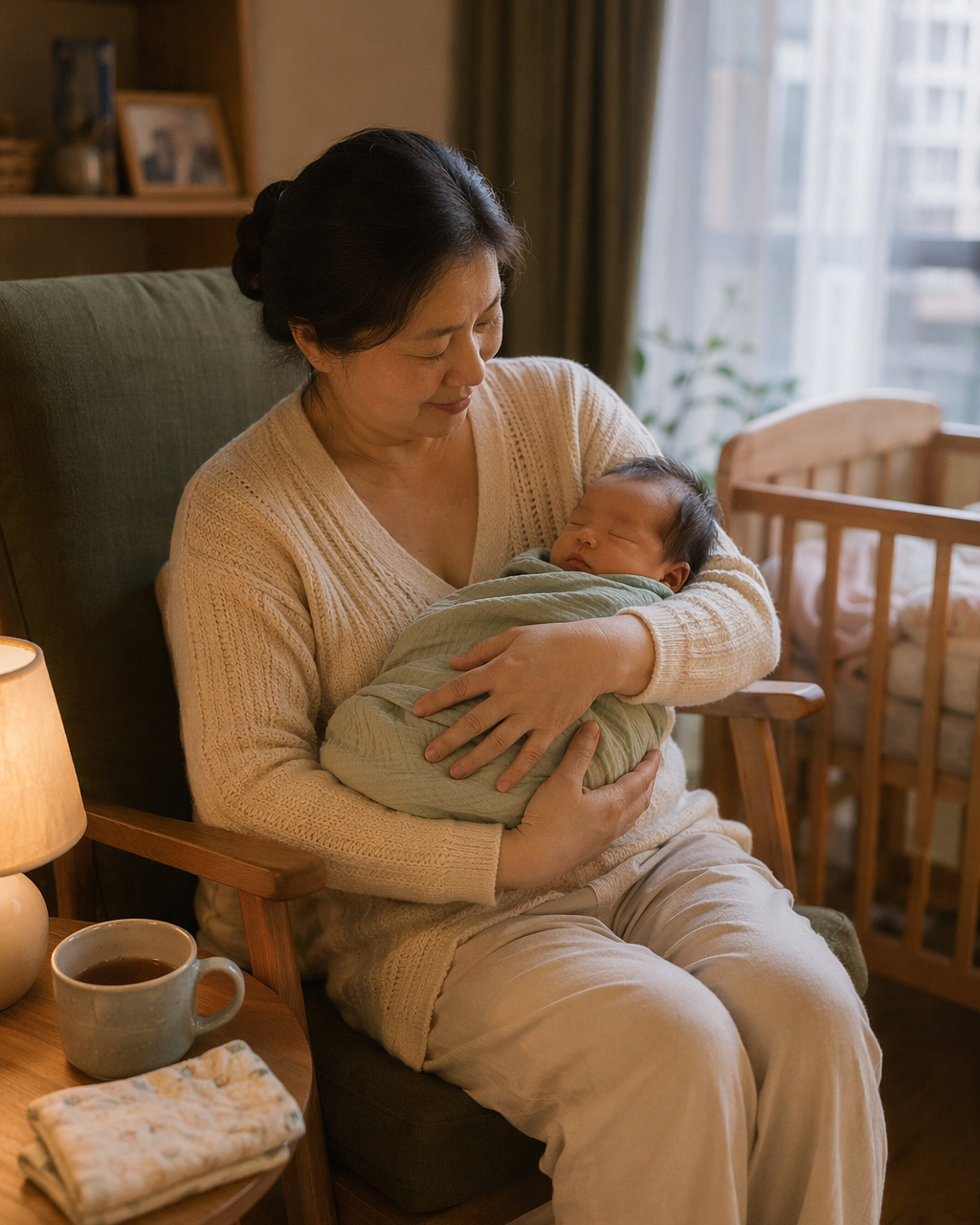
- Newborn-mother dyad support. Skin-to-skin time, feeding-position support, sleep coordination, helping the mother establish a sustainable feeding rhythm.
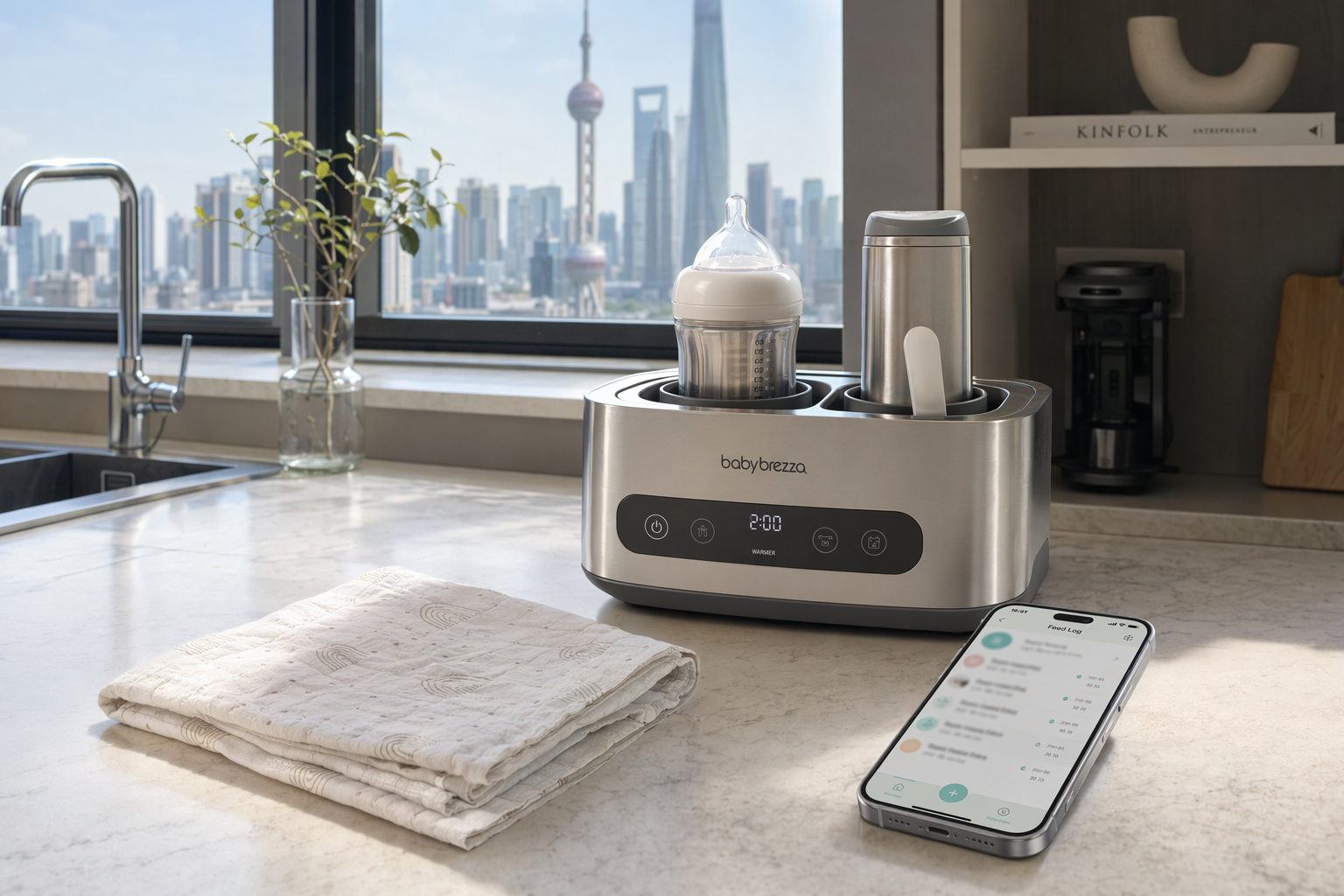
- Light household upkeep specific to the mother-baby pair. Laundry of baby items, sterilization of feeding equipment, room hygiene.
What the yuesao does NOT typically cover: general household cleaning, care of older children, errands outside the home, cooking for the rest of the family. If the family wants those covered, a separate part-time ayi during the yuesao term is the right structure.
Western families who don't want to engage with the full 坐月子 framework can opt out of the warm-food regime or specific traditional elements; tell the yuesao during the second-round interview which elements you want and which you don't. A flexible yuesao adapts; a rigid one is a poor fit for a Western family that doesn't want the full tradition.