By month two, the family realizes the nanny has been adding sugar to the rice porridge since week one and quietly buying the children sweet drinks at the lane shop on the way home from the park. The nanny has been doing what she has always done, what her own children grew up with, what she believes is good for children. The parents brief was low sugar, no sugary drinks, fresh-prepared meals. Both interpretations were honest. The framework that closes this gap is not stricter rules — it's a concrete menu plus a permission ladder. This page is that framework.
What 'food rules' actually means in a Shanghai placement
Food alignment is the single most common friction zone in the first 90 days of a Shanghai expat placement. The five most-cited drift areas in 2026:
- Sugar in everyday cooking. Chinese home cooking traditionally adds modest sugar to many savory dishes — soy-sauce-and-sugar braising, sweet vinegar sauces. Parents who frame the rule as 'low sugar' may not realize the cooking technique itself includes sugar.
- Cold vs warm drinks. Many Mandarin-speaking caregivers strongly prefer warm or room-temperature drinks for children, especially for girls and for after-meals. Parents who default to fridge-cold water find the rule isn't being followed.
- Vegetables: cooked vs raw. The Chinese default is cooked. Parents preferring raw carrot sticks or salad may need to brief explicitly.
- Snacks and small purchases. The lane convenience store on the way home from the park is the most common rule-erosion site. A pack of biscuits, a yoghurt drink, a small treat: nanny believes she is being kind.
- 'Finish your plate' culture. Many candidates default to ensuring the child eats what is served. Parents who allow choice and self-regulation may find pressure being applied that they didn't authorize.
None of these are bad behavior. All are alignment gaps.
The 2026 reality on the ground
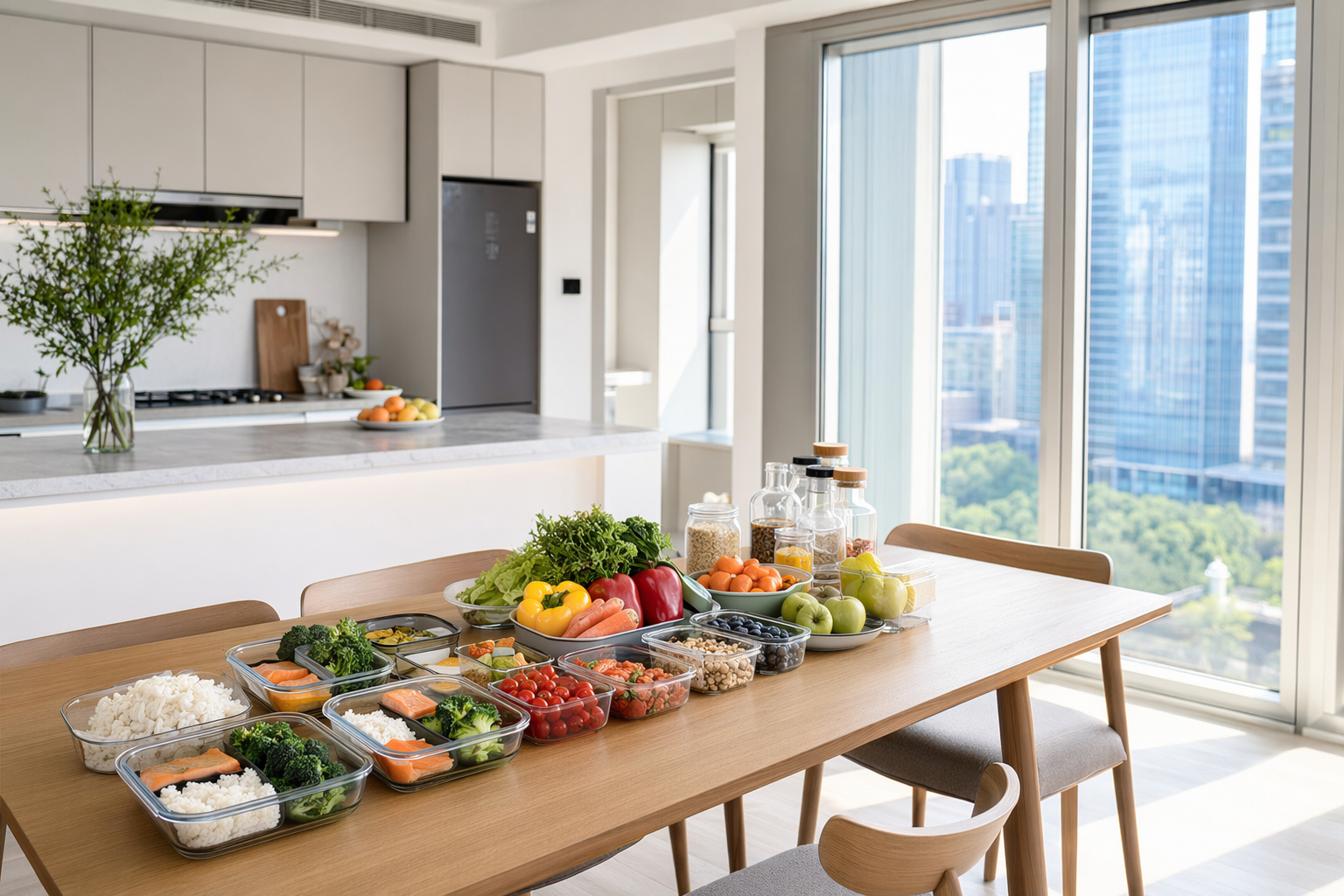
Across the placements we audit at the 60-day mark, food is the single most common explicit complaint from both sides — parents about drift from rules, nannies about feeling micromanaged. The pattern that resolves it: a 7-day rotating menu the nanny helps design + a clear three-tier permission ladder for snacks (green: always OK; yellow: ask first; red: never).
Families that hand the nanny a menu plus a permission ladder typically have minimal food friction at month three. Families that hand the nanny abstract rules ('healthy', 'low sugar', 'no junk') typically still have ongoing food alignment work at month six.
What expat families typically get wrong
Four patterns:
- Abstract rule words. 'Healthy' means different things to different cultures. Replace with specifics.
- No menu. Asking the nanny to prepare 'whatever's fresh' is asking her to default to her own framework. Give her a menu.
- No snack permission ladder. The lane-shop biscuit happens because the nanny assumes kindness is allowed. If it's not, write the green/yellow/red list.
- Punishing first occurrence. A rule-erosion in month one is alignment failure, not nanny failure. Reset, document, move on.
Step-by-step — what to do this week
Concrete framework:
- Build a
7-day rotating breakfast/lunch/dinner/snack menu. Don't aim for variety — aim for clarity. The nanny should be able to look at the menu and know what to cook on Tuesday. - Co-design with the nanny in week one. She'll suggest swaps for ingredients hard to source locally, alternatives for what the children actually eat, and timings that match her routine. Her input makes the menu real.
- Write the snack permission ladder. Green: always OK (cut fruit, plain yoghurt, water). Yellow: ask first (small biscuit at park, fruit juice). Red: never (sweet drinks, candy, anything off the lane-shop counter).
- Post the menu and ladder visibly. Inside the kitchen cupboard or on the fridge interior.
- Weekly Sunday
5-minute review for the first month. Then monthly. - For any sugar-cooking-technique alignment, ask: 'when you make this dish, do you use sugar?' Cooking technique conversations need the explicit version of the question.
Red flags and what to push back on
When food alignment crosses into deal-breaker:
- Allergens being ignored after explicit briefing. Non-negotiable.
- Hidden food (the nanny is feeding the child off the menu and not declaring). Trust gap, not preference gap.
- The child shows weight-gain or weight-loss patterns that correlate with the placement start. Investigate, don't ignore.
- Repeated ignoring of the permission ladder after written alignment. The pattern matters more than the snack.
Most food friction is not these. Most is alignment, and alignment closes with a menu and a ladder.
Common questions
What is the typical answer for food rules with a Shanghai nanny?
Is this different for live-in vs live-out?
How does this compare to other Asian expat hubs?
What if the agency or candidate pushes back on the menu?
Where can I get a contract template that handles this?
In plain English:replace abstract food rules with a `7`-day menu the nanny helped design, plus a green/yellow/red snack ladder. Specifics survive Tuesday afternoon; abstractions don't.
Want the menu + permission-ladder templates?
Our 2026 playbook includes the `7`-day menu template and the green/yellow/red snack permission ladder, both bilingual.